Gem in more than one language?
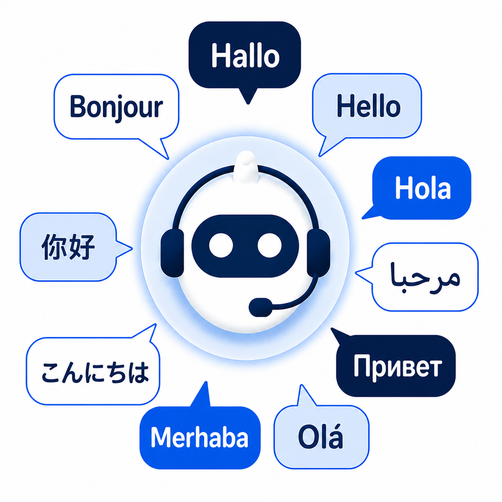
How do we make sure that residents who do not speak Dutch can use Gem as well?
Multilingualism in Gem
The government wants everyone to be able to take part in the digital society. That is why it matters that Gem works in different languages — such as English, Arabic and Frisian. After all, not everyone speaks Dutch. Frisian is even an official language in the Netherlands. If residents can use Gem in their own language, the assistant becomes usable for many more people.
Today Gem is in Dutch. When someone asks a question in English, Gem replies in English that the chatbot only speaks Dutch and refers the resident on to a member of staff.
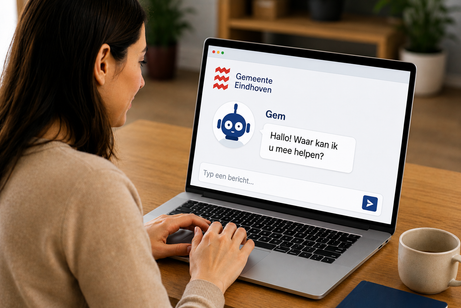
The municipality of Eindhoven ran a pilot with automatic translation through DeepL in 2024. As soon as Gem recognised another language, the resident was offered the choice of an automatic translation. The pilot showed that multilingualism goes further than translation alone. Questions in another language often come with a different context than they do in Dutch. Extra explanation is therefore needed, for example about municipal products or services.
What are we going to do?
In Q2 we are working out multilingualism for Gem in more detail. We are building on the insights from the municipality of Eindhoven's pilot, and focusing on offering conversations in English and on offering several languages alongside each other. At the same time, quality, answer checking and digital accessibility remain important preconditions in the further development of Gem. Step by step, that is how we are working towards multilingualism for Gem that is reliable and can be used responsibly.